FACILITY MAINTENANCE and Support
FAILURE Analysis
Failure analysis pinpoints root causes in bearings and metal components, including chemical attack, corrosion, fatigue, and stress fractures.
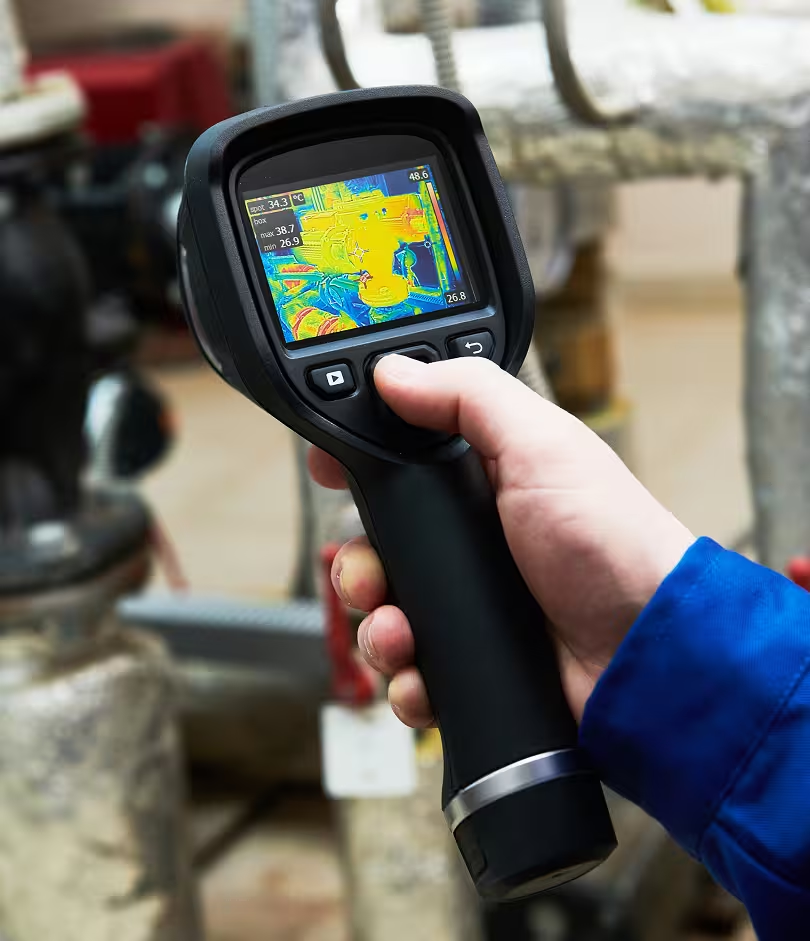
Infrared analysis complements lab work by revealing thermal conditions and hot spots that drive bearing and metallurgy failures.
Pump Dynamics delivers clear, actionable recommendations that turn a one-time failure into long-term reliability.
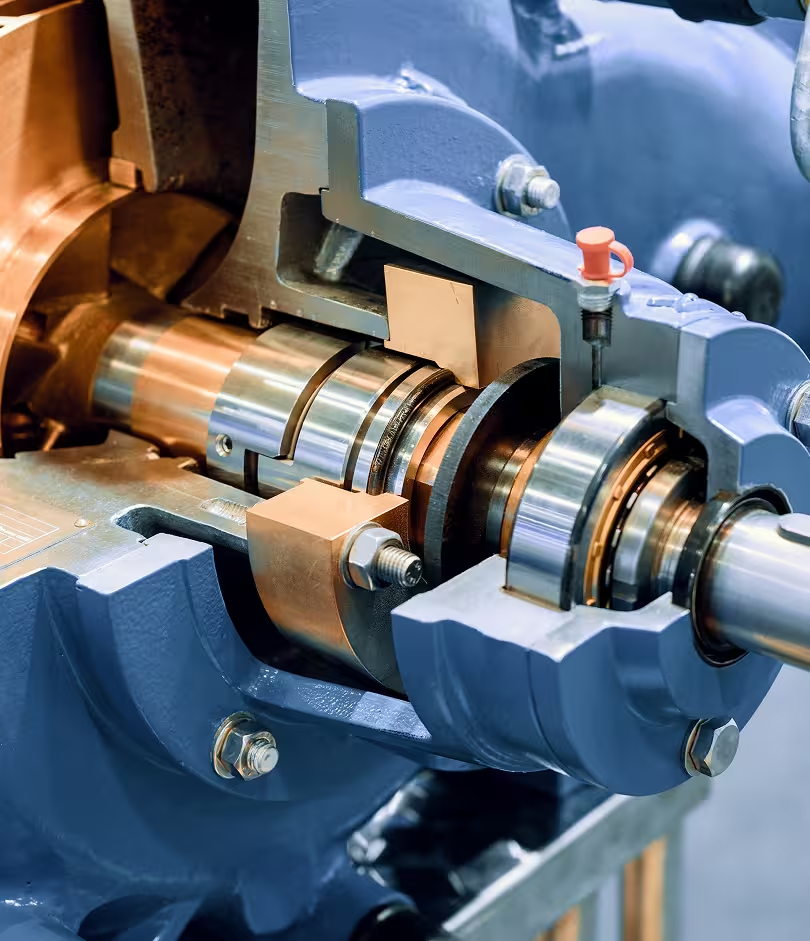
Failure Analysis focuses on what happens inside bearings and metal components when things go wrong.
By examining failed bearings, shafts, impellers, and housings in detail, the team identifies whether the root cause was chemical attack, improper metallurgy, stress fractures, fatigue, lubrication problems, or operating conditions outside design limits. Microscopic inspection, hardness and material testing, and wear-pattern evaluation all come together in a clear, actionable report.
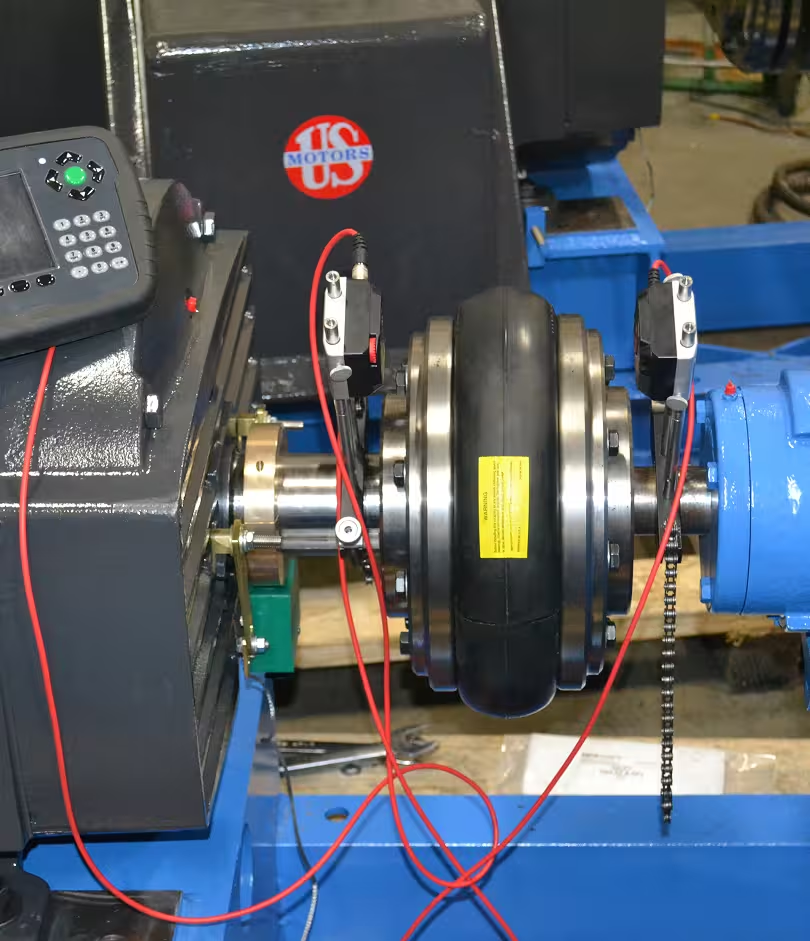
Customers typically call for this service after a bearing seizes unexpectedly, a shaft cracks, an impeller erodes prematurely, or a component shows unusual discoloration, pitting, or flaking. These symptoms often point to deeper issues such as incompatible materials in a corrosive service, stress risers introduced during fabrication or repair, misalignment that overloads bearings, or thermal cycling that drives fatigue. Infrared analysis can be used alongside lab work to reveal hot spots, uneven temperature profiles, and thermal overload conditions that contribute to bearing distress and metal failure in the field.
Pump Dynamics brings rotating equipment expertise and a structured investigative approach to every case, from single bearing failures to recurring metallurgy problems across a fleet. Field data, infrared imagery, vibration and oil analysis, and lab-based metallurgical evaluations are combined into practical recommendations, such as material upgrades, design changes, operating adjustments, or improved lubrication and cooling strategies. The goal is not just to explain how a part broke, but to give maintenance and engineering teams a roadmap to avoid the same failure in the future.
Industries We Serve
FAQS
Equipment failure analysis is a systematic process to investigate why machinery or components failed, identifying root causes to prevent recurrence and improve reliability.
Findings are converted into specific recommendations such as changing bearing type or clearance, upgrading materials or coatings, modifying operating limits, improving alignment and lubrication practices, or adding monitoring (for example, vibration or infrared monitoring) to detect early warning signs before another failure occurs.
Useful information includes operating conditions, process fluid data, installation history, recent changes, maintenance records, infrared or vibration data if available, and photographs from the time of failure. This context allows the lab findings to be tied directly to real-world conditions.
Techniques include Root Cause Analysis (RCA), Failure Mode and Effects Analysis (FMEA), vibration monitoring, oil analysis, and laboratory testing of components and fluids.