CASE STUDY
STAR LAKE WATER DISTRICT
The Opportunity
Star Lake Water District, which serves the Towns of Fine and Clifton in New York’s Adirondack Park, encountered persistent infrastructure challenges—including aging asbestos-cement mains, an obsolete diatomaceous earth filtration system, insufficient storage capacity, and recurring water outages that jeopardized public health and hindered local economic growth. Historically, these water shortages prompted the district to declare water emergencies and, at times, deliver untreated water into the system.
Driven by these pressing issues and growing regional needs, the district consolidated three separate water systems.
This strategic move targeted operational efficiency and sought to ensure a reliable supply for all customers, including schools, hospitals, and industrial zones. Star Lake Water District aimed to eliminate dead-ends, expand service coverage, and upgrade both treatment and distribution infrastructure.
The Goal: Provide a safe, reliable, and sustainable water supply for all Star Lake Water District customers by replacing outdated infrastructure, improving treatment processes, and consolidating regional systems to meet current and future community needs.
THE SOLUTION
The primary technical advancement was the adoption of a membrane ultrafiltration system, selected for its proven reliability, compact footprint, automation, and adherence to regulatory standards. Simultaneously, expanding storage capacity and replacing water mains with PVC and HDPE pipe were essential steps toward improving overall system integrity and redundancy.
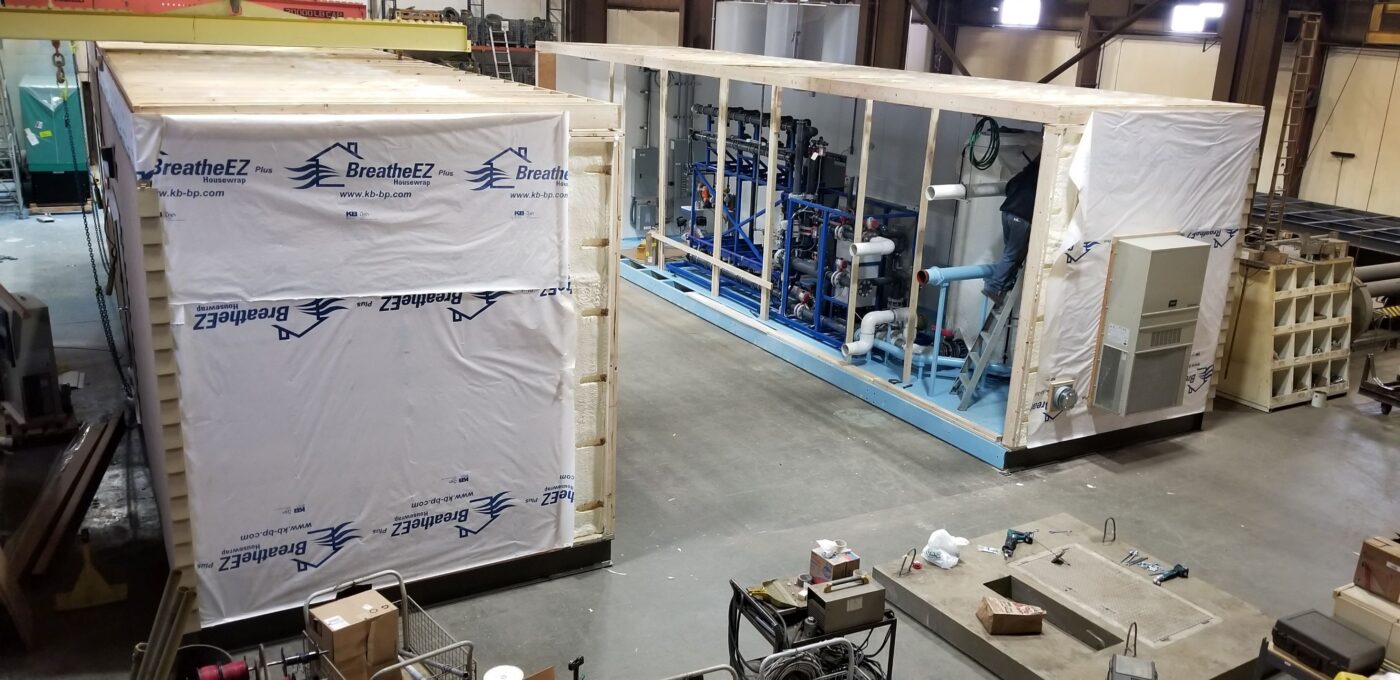
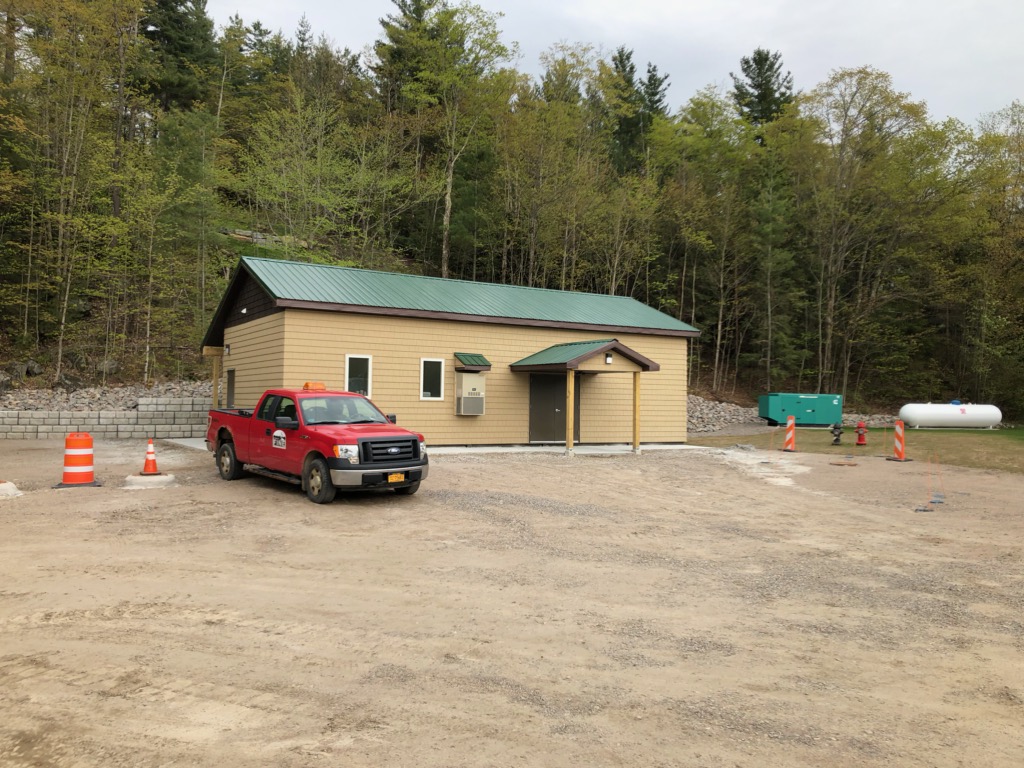
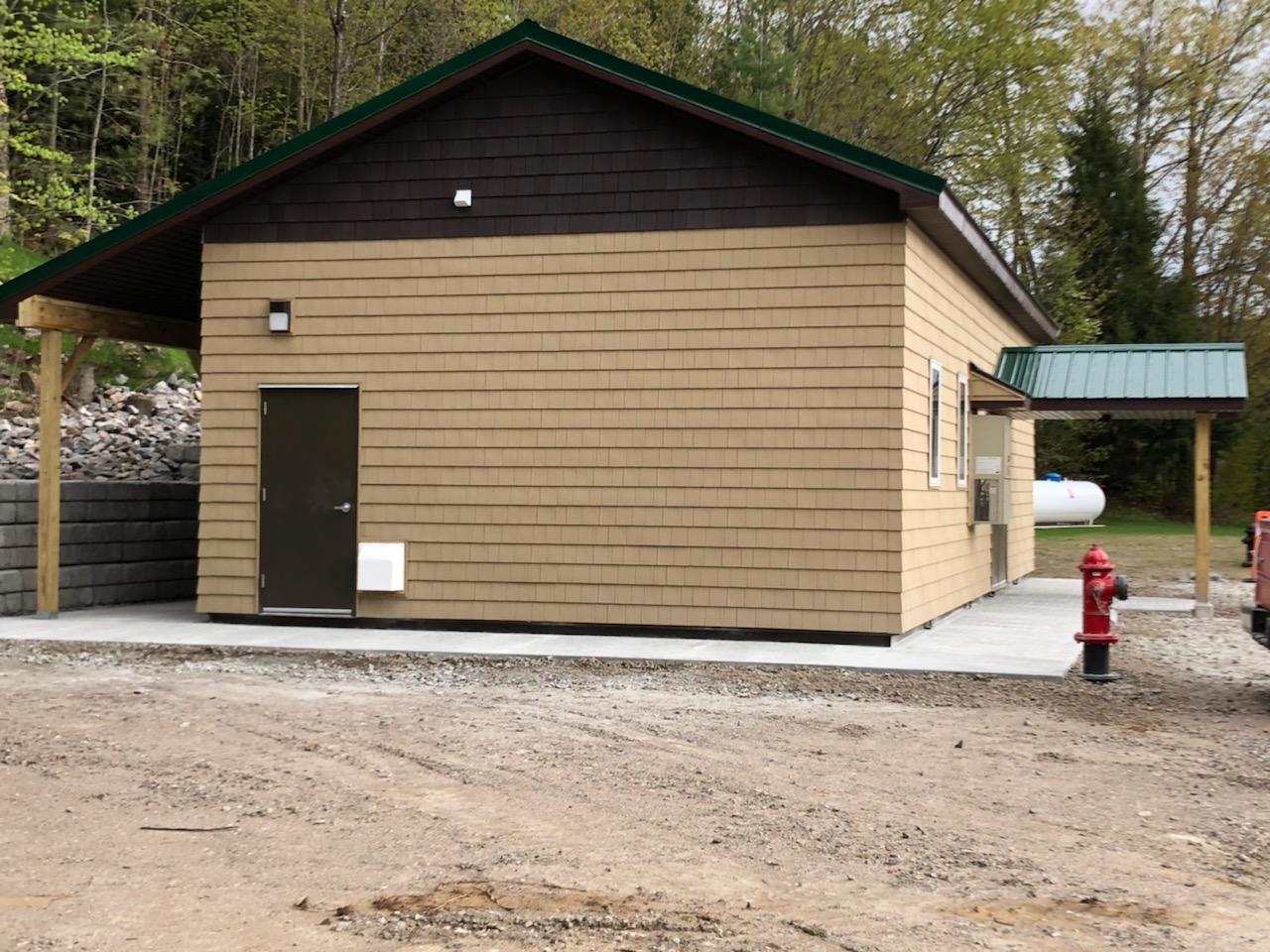
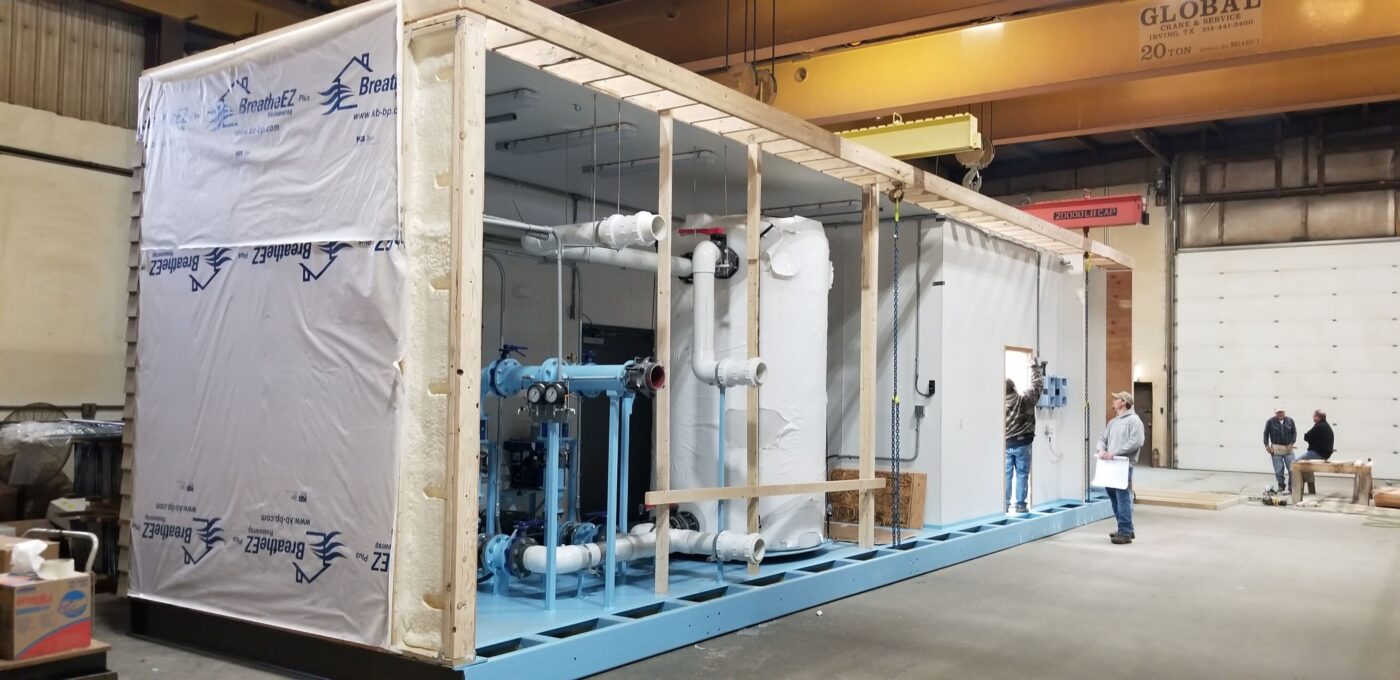
The project delivered a prefabricated treatment facility capable of pumping up to 300 GPM to a modern, glass-fused to steel storage tank with an approximate capacity of 250,000 gallons.
Dakota Pump, working in partnership with engineering firm Barton & Loguidice, provided a turnkey, packaged membrane filtration and water booster pumping system. The Westech Altapac Ultrafiltration Toray filters utilize hollow fiber permeable membranes to remove organic particles and macromolecules from the raw water to produce potable water. Raw is pumped through a 200-micron screen pre-filter to remove any large debris that could damage the hollow fiber membranes. With a pore size of 0.01 microns, the hollow fiber membranes remove contaminants from the water by size separation. E.Coli bacteria, parasites such as giardia & cryptosporidium, and certain viruses are physically too large to fit through the membrane pores and are therefore prevented from entering the potable water system.
Chlorine is injected into the filtered water as an additional required disinfectant.
The system is automated with start, standby, and stop cycles. Production cycles include automatic backwash cycles for filter cleaning. Pumps propel the treated water to a glass-fused to steel bolted water tank for gravity feeding the distribution system.
The legacy treatment plant was repurposed as a raw water pump station and storage building, while the new facility centralized operations, reduced operator workload through automation, and established a robust, resilient system serving three communities.
THE OUTCOME
The newly modernized, award-winning water system now consistently delivers safe, high-quality drinking water, supporting economic revitalization and improved public health for more than 1,000 residents and key local institutions. In 2025, Star Lake Water District received the “New York Rural Water System of the Year” award in recognition of outstanding performance in water quality, operations, and management.
With automated monitoring and control capabilities, a single operator can maintain optimal system functionality, minimize downtime risks, and respond efficiently to maintenance or emergency events.
Through the consolidation of districts, system expansion, and the introduction of Dakota Pump’s engineered packaged solution, the project stands as a model of regional collaboration and a benchmark for modern reliability and efficiency in water system delivery.