CASE STUDY
Cordova Electric Cooperative
The Opportunity
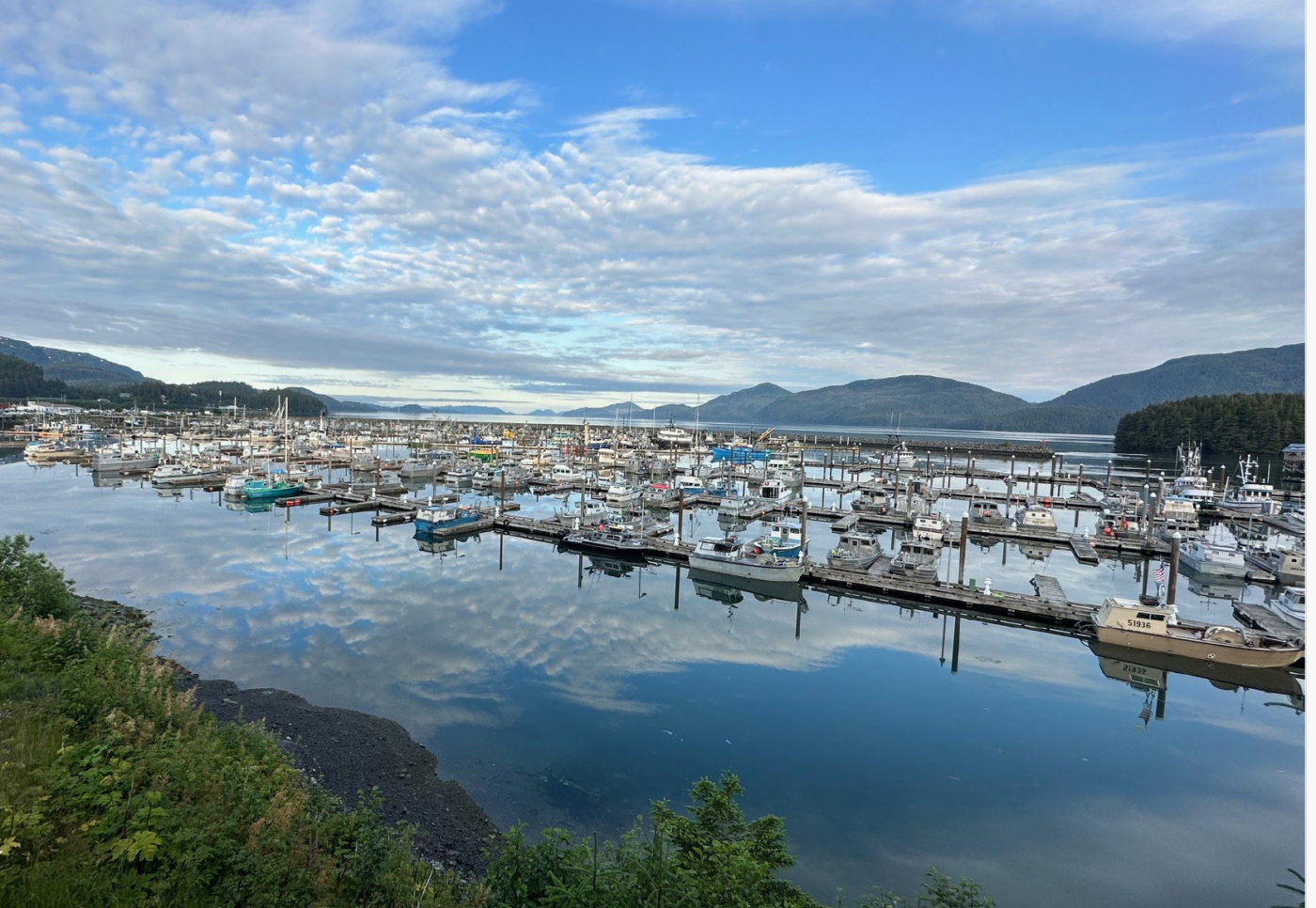
Cordova, Alaska is a remote coastal town, disconnected from the state’s road system and reliant on its own power infrastructure to serve approximately 2,600 residents and local seafood processing plants. Cordova Electric Cooperative (CEC), led by CEO Clay Koplin, has long been committed to providing clean, reliable, and affordable energy to this isolated community. With rising diesel fuel prices and aging infrastructure, CEC saw a critical need to modernize its power systems by reducing dependency on fossil fuels and enhancing the efficiency of its hydro and diesel operations.
The Cordova Electric Cooperative has 3 main facilities that generate power:
Orca Diesel Plant
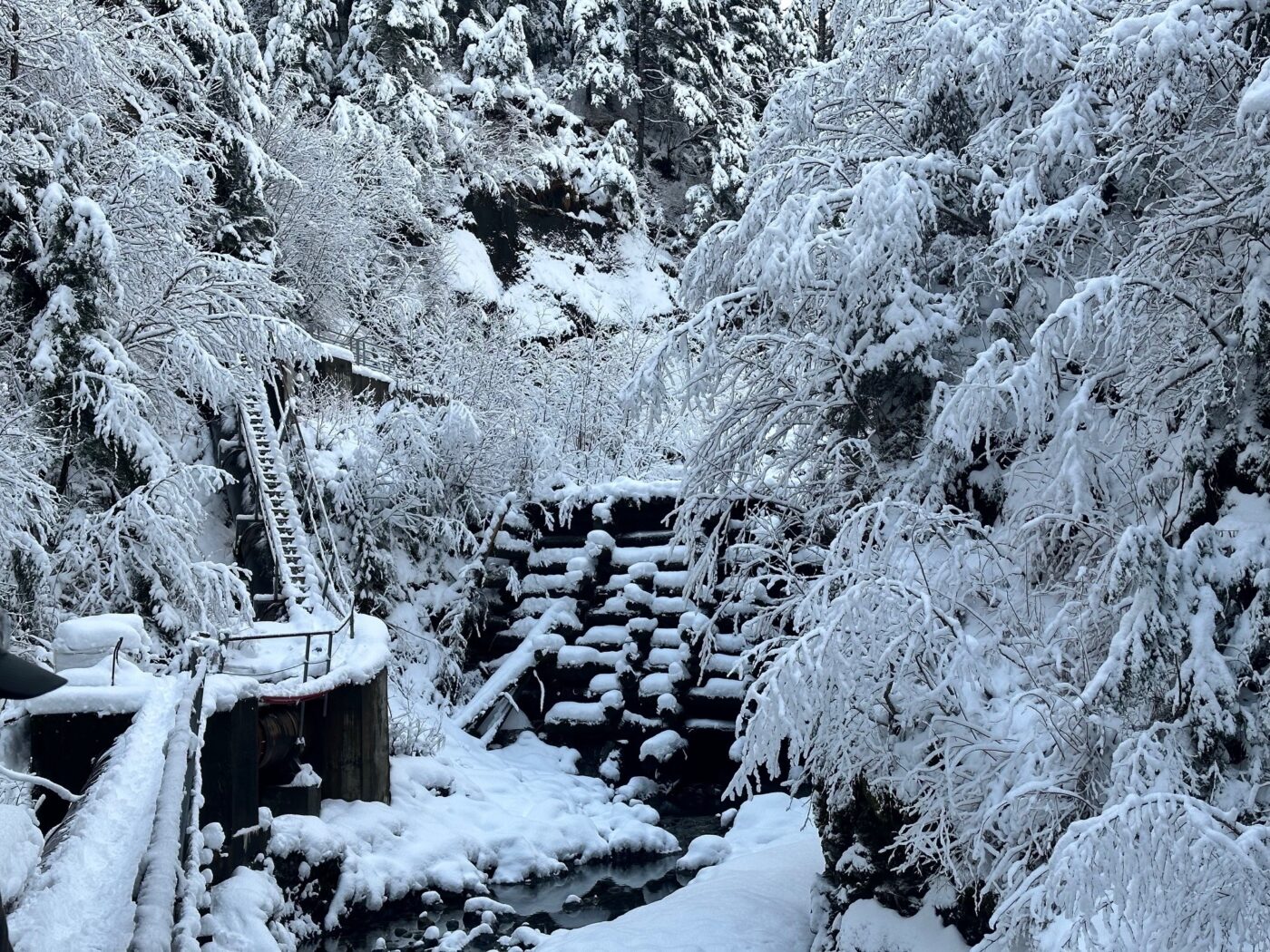
Humpback Creek Hydroelectric Plant (Video)
Power Creek Hydroelectric Plant (Video)
Cordova Electric Cooperative’s Goal: maximize the use of renewable energy, reduce diesel consumption, and ensure long-term reliability in logistically challenging environments in Alaska.
THE SOLUTION
Cordova Electric Cooperative partnered with Alaska Roteq, a trusted in-state field service provider, to tackle a multi-year modernization initiative across all three of their power generation facilities: Power Creek Hydro, Humpback Creek Hydro, and the Orca Diesel Plant.
At the Orca Diesel Plant, Alaska Roteq helped upgrade outdated diesel engines to newer, more efficient models. These changes contributed to a dramatic reduction of over 250,000 gallons of diesel fuel in one year, lowering operating costs and providing cleaner power.
At the historic Humpback Creek Hydro facility, originally built in 1907, Alaska Roteq performed a major maintenance overhaul on two Francis turbines (H1 & H2). The facility saw a dramatic 10% efficiency gain from previous performance levels.
The success of that effort led to CEC entrusting Alaska Roteq with a more comprehensive rehabilitation of the historic Humpback Creek Hydro facility: upgrading all three 24-inch penstock valves and upgrading the Turgo turbine and generator. The valve upgrade will increase capacity on the Francis turbines from 500 kW to 750 kW, while the Turgo turbine will produce an increase to 400 kW of power. Modifications will also include new generator bases, upgraded runner and wicket gate assemblies, and enhancements to the hydraulic control systems for turbine dampers and valves. Electrical switchgear, wiring, and transformer will be upgraded to accommodate the additional output of the plant, which is expected to gain these increased output levels without increasing the amount of water utilized by the plant.
Through these complex and remote projects, Alaska Roteq provided field service, equipment retrofits, and deep hydro expertise while navigating the limited access conditions that make working in Cordova uniquely challenging. “I don’t say what I don’t mean and consider Roteq to be our most transformational partner,” says Clay Koplin. “Feeling more like an extension of CEC than a contractor, I would recommend Alaska Roteq for any utility seeking services across a broad array of technologies including hydro and diesel.”
THE OUTCOME
Cordova Electric Cooperative’s impressive modernization efforts, with Alaska Roteq as their key service partner, have resulted in a more resilient, sustainable, and efficient power system for the community. The upgrades have not only significantly reduced diesel usage and operational costs but also improved system reliability and clean energy generation capacity.
By enhancing both diesel and hydro infrastructure, CEC met a new record renewable power generation milestone in 2024, exceeding 80% hydro production for the year. CEC is now targeting a new milestone for Cordova of 85% hydroelectric power with the upgrades in progress! Their commitment to clean and efficient energy is a resource they are building for generations to come. With Alaska Roteq’s commitment to local expertise, responsive service, and technical precision, the partnership has set a new standard for utility collaboration in Alaska.
“Working remotely on this project is a special experience,” said John Fucina, project manager at Alaska Roteq. “Working hard in beautiful landscape, in a challenging environment, and providing a community with green energy is very rewarding for Alaska Roteq, and for me personally.”